Quick Links

Quick Links Open/Close

Little Waltham Primary School

Sycamore Class

Teachers: Miss Rich

PE days for the Autumn term: Wednesday and Friday

Year 5 Classroom
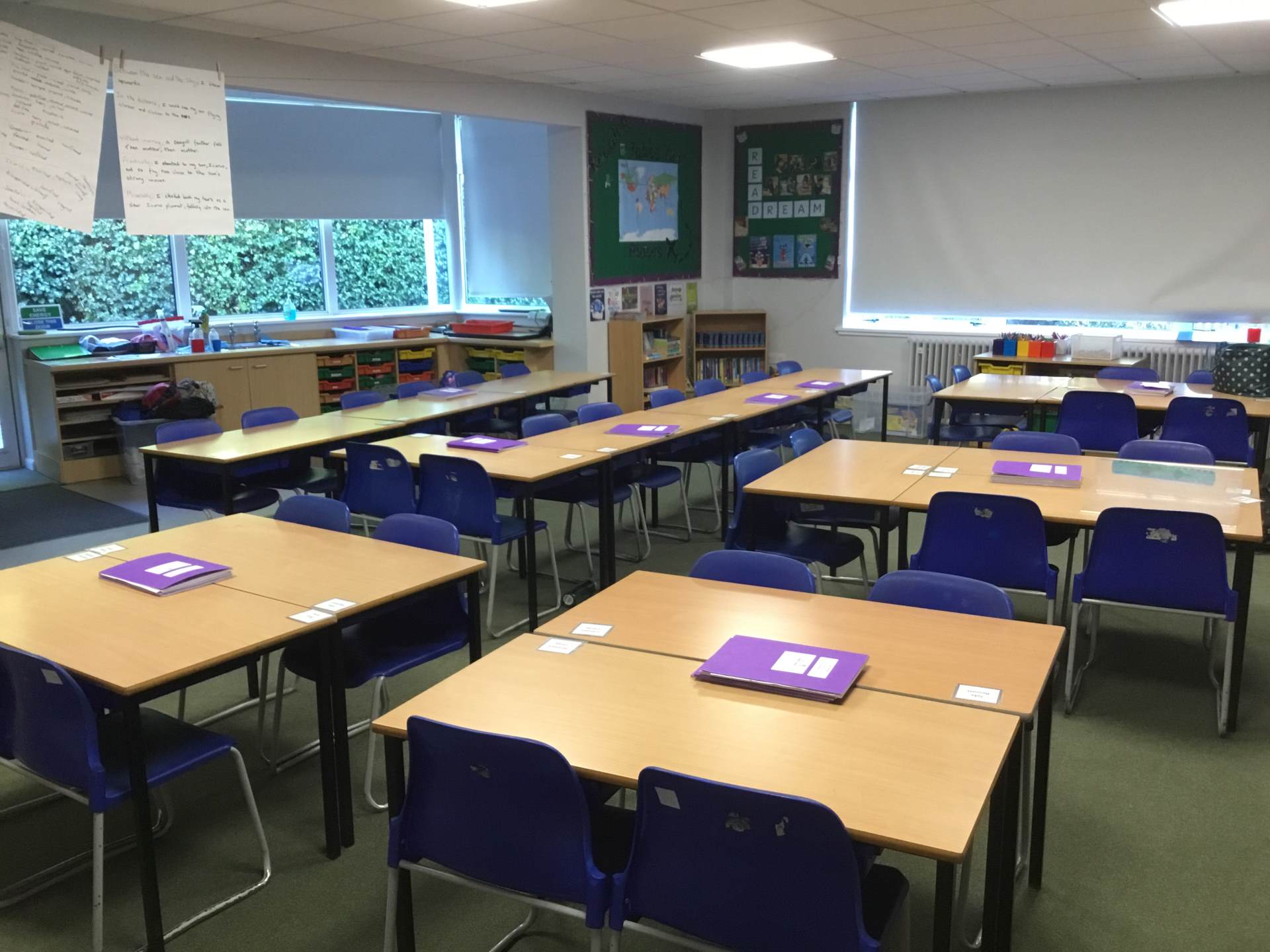
This half term, our humanities topic will be all about Latitude and Longitude, using coordinates to map the world. Within the curriculum this half term we will also be working with decimals in maths as well as developing our writing through the book 'Kensuke's Kingdom'. We will be writing narratives, descriptions and a biography of a character from the story. We will be also be practising our sketching skills by exploring the work of Frida Kahlo.

Homework will be handed out every Friday and should be completed and returned by Wednesday. Homework tasks are designed to reinforce what we have been learning in class and provide additional practice.

PE will take place on Wednesday and Friday. The lessons will focus on dance and netball. Please ensure your child comes to school in their PE kit, a plain tracksuit for colder days and appropriate footwear. Earrings should always be removed on PE days. 

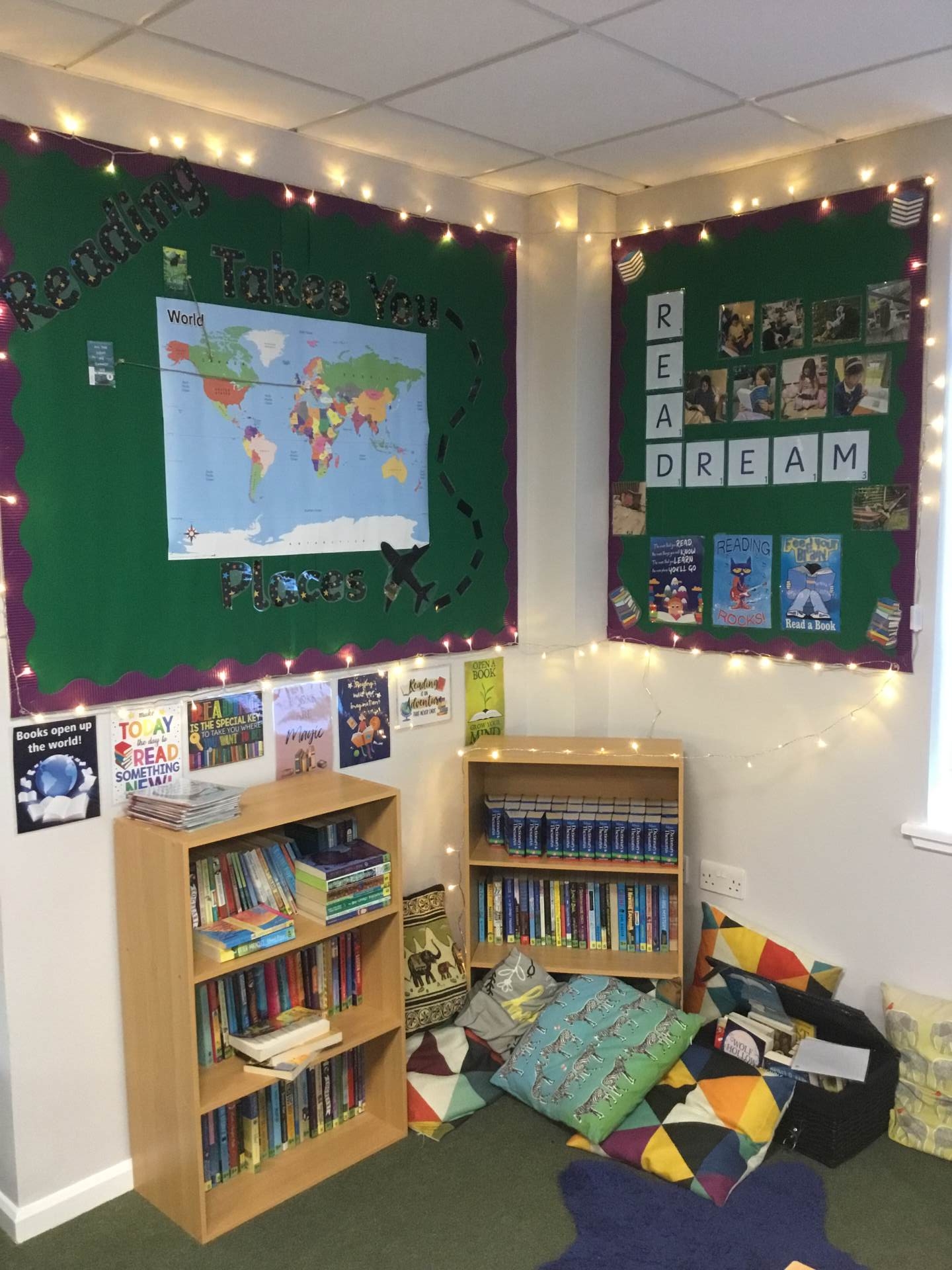
Regular reading at home is vital to your child’s progress. Please encourage children to read every day and record this in their reading record. We check reading records weekly every Monday, and any support you provide at home makes a significant difference.

Miss Rich 

Homework 

homework sheet 5 160126.pdf

Challenge and Aspiration Project

To engage and extend learning across all year groups, each topic is accompanied by a Challenge Question, several Project Options (consistently 3–4 choices per topic), and an outline of the higher level thinking skills involved.

Each project is designed to challenge pupils with creative, analytical tasks that promote higher-order thinking. The projects can be pursued independently at home (as optional challenges) or integrated in class for enrichment; teachers can provide feedback at school to support development. We also include cross-curricular subject links to highlight how each challenge connects to broader learning areas (e.g. Art, Computing, History, Science). Pupils are encouraged to choose one project per topic to explore in depth.


Spring 1: Journey Around the World – Longitudes and Latitudes

Challenge Question: How can we use lines of latitude and longitude to locate places on Earth, and what surprises might we find when comparing locations around the globe?

Project Options (choose one):

1. Coordinate Treasure Hunt: Create a “treasure hunt” game using latitude and longitude coordinates. Choose 5 world cities or landmarks and find their lat/long coordinates (e.g. London ~ 51.5°N, 0°; Nairobi ~ 1°S, 36°E; Tokyo ~ 36°N, 140°E etc.). Write each as a clue like “Find the city at 1°S, 36°E” (answer: Nairobi). Provide a blank world map (which you can draw or print) and mark the answers on it after the game. You might give this quiz to classmates or family. Also, for each location, write one interesting fact that might hint at the place (for example: “At 51.5°N, 0°, you’d find a famous clock tower and the River Thames”). This game makes you practice reading coordinates and learn geography trivia.

2. Same Latitude, Different Places Photo Album: Pick a latitude line (for example, the Equator (0°), 30°N, or 60°N) and find 4–5 different places around the world that lie close to that latitude. For instance, at around 30°N: Houston (USA), Cairo (Egypt), New Delhi (India), Shanghai (China) are all roughly along that line. Gather or draw a picture representing each place (skyline, landscape, famous site) and create an album or poster. Under each picture, write a sentence or two about the climate or environment (30°N might be desert in Egypt, humid in Houston, etc.) and one cultural or geographic fact. Conclude with a note on how places at the same latitude can be very different due to other factors (altitude, oceans, etc.).

3. Globe-Maker Craft: Build a simple globe that shows latitude and longitude lines. You could inflate a balloon and use a marker to draw the equator, tropics, prime meridian, and a few other key latitude lines (maybe every 30°) and longitude slices. Mark and label the continents roughly to scale. Alternatively, use a styrofoam ball or a papercraft template. When finished, use your globe to “demonstrate” to a family member how to read off coordinates (point to a spot and estimate its lat/long). Write a short reflection on what was challenging about translating the flat world map to a round globe (you’ll notice things like how far apart lines are at different points).

Spellings to Learn in Year 5

spellingwordlist y5 6.pdf

Curriculum Overview - Autumn Term

sycamore class curriculum overview autumn term2 2025.pdf

Recommended Reads in Year 5

sil y5 and 6 recommended reading list.pdf

Parents Year 5 Autumn Curriculum Meeting

year 5 welcome morning 2025.pdf

School Visits 

In Year 5 we visit the West End in London to watch The Lion King in the Spring term. This links to our PSHE curriculum and supports us to think about the importance of treating everyone with respect and kindness. We also visit Chatham Green Wilderness Foundation in the Summer term.

Review:] THE LION KING, Lyceum Theatre, London. – The Theatre Reviewer