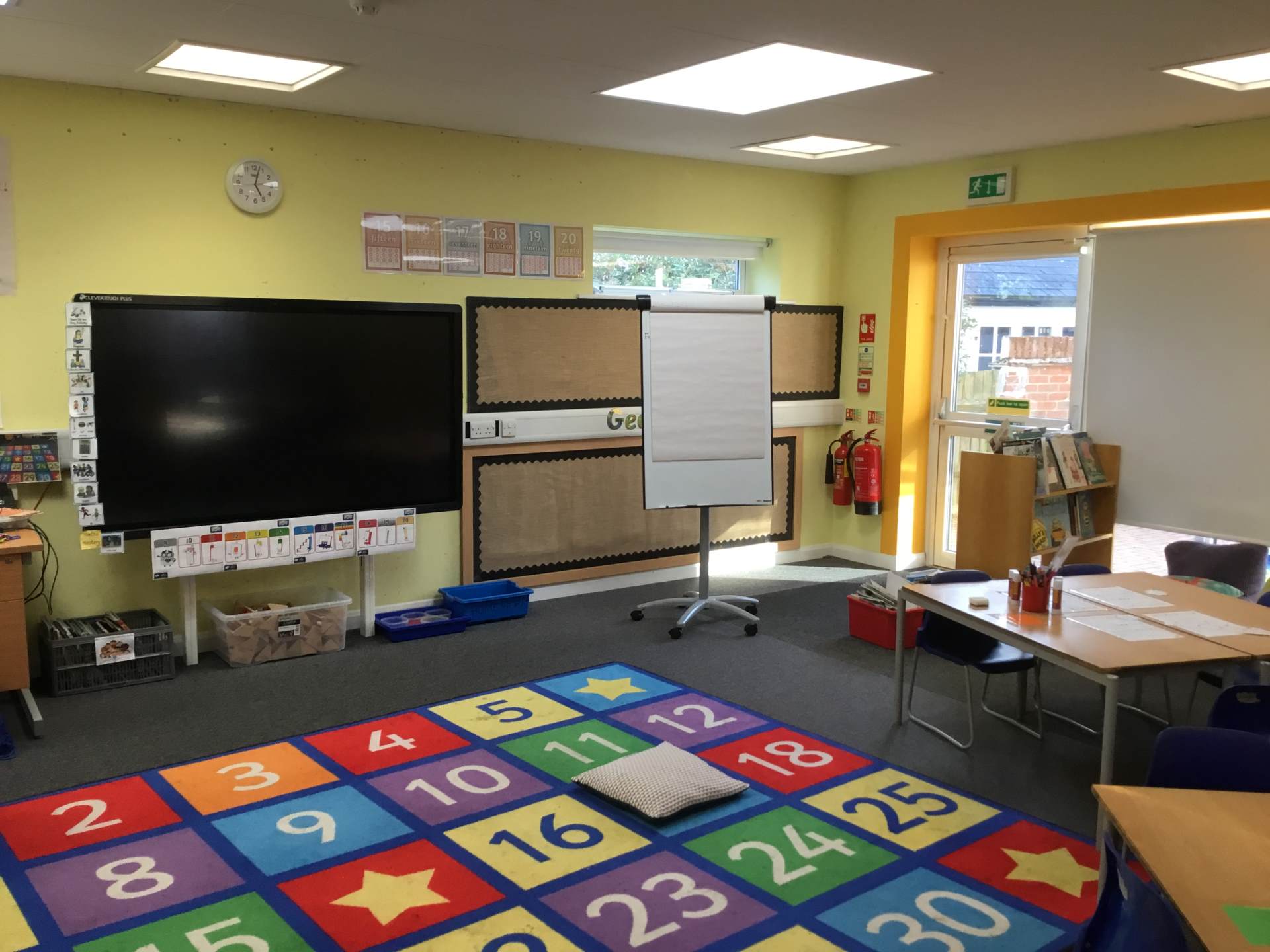

Chestnut Class
Teachers: Mrs E Dennis-Launder (Mon - Tue) and Mrs G Smith-Little (Wed - Fri)
PE Days for Autumn 1: Tuesday and Thursday
Welcome to Chestnut Class
Hello and thank you for visiting our little corner of the school website 🌟
We’re thrilled to begin a brand-new school year filled with learning, laughter, and growth. At Chestnut Class, we believe that education is a team effort, and we’re so looking forward to working closely with you to support your child’s journey.
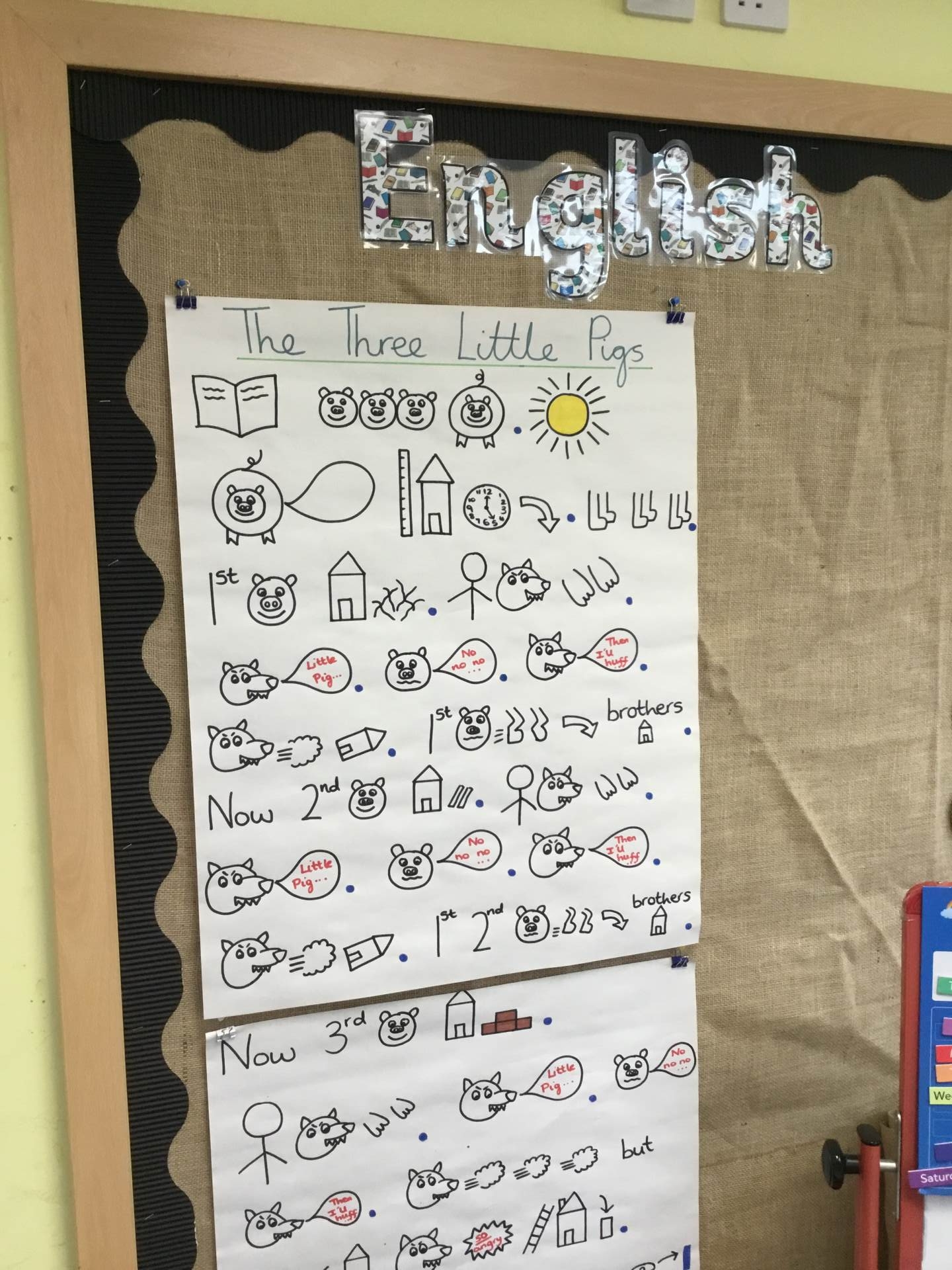
This Half Term in English: Our focus will be the traditional tale The Three Little Pigs. Through this story, we’ll be developing sentence writing, storytelling skills, and later exploring letter writing. We’ll also be reading a variety of other texts daily to build vocabulary and strengthen comprehension.
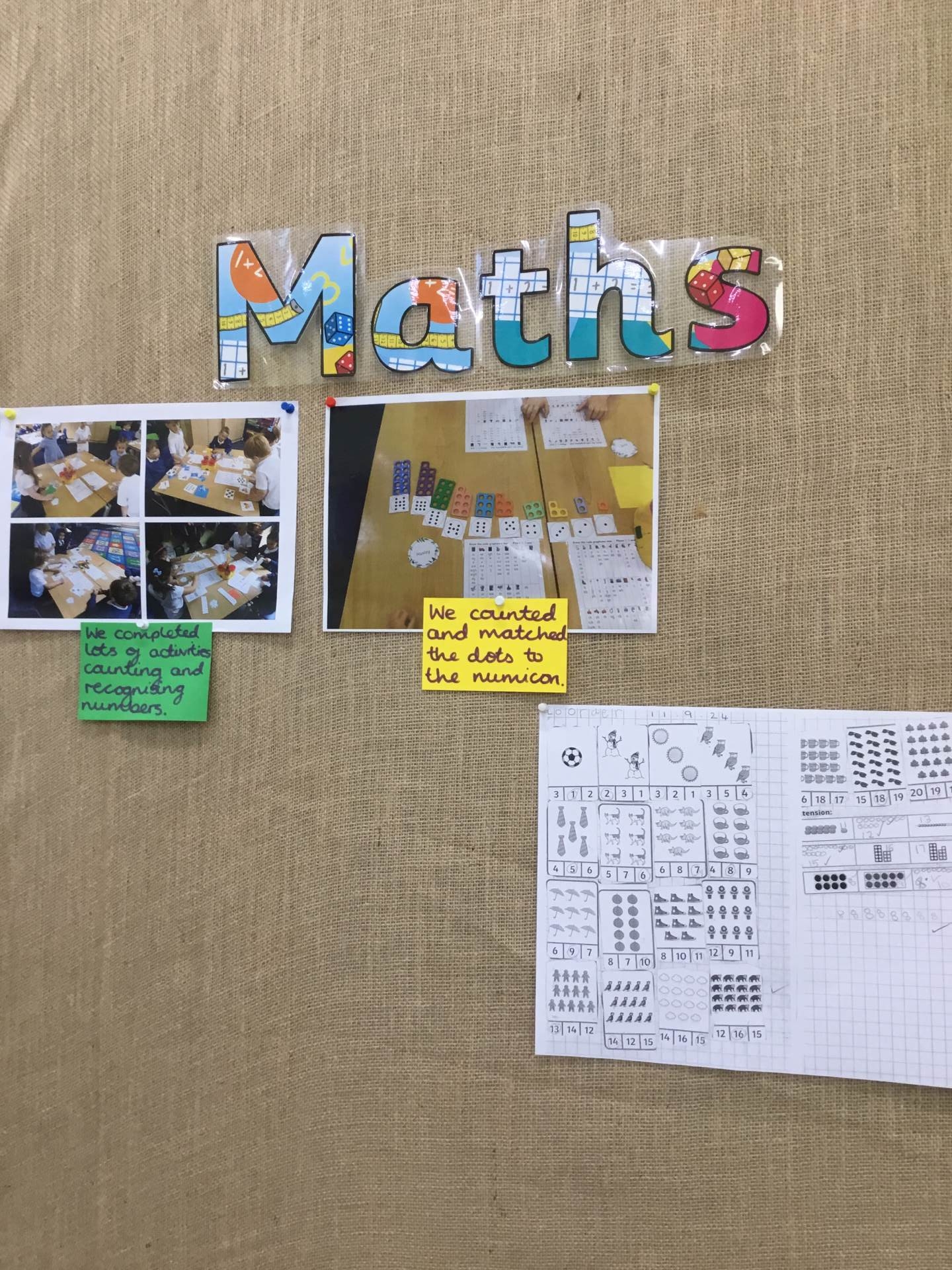
In Maths: We’ll be exploring comparing quantities and measures, understanding the composition of numbers from 0 to 5, and investigating 2D and 3D shapes. Hands-on activities and visual learning will help bring these concepts to life.
Topic Highlights
- History: Exploring Toys from the Past
- Science: Seasons and Everyday Materials
- Design & Technology: We’ll be designing and building our very own wind-up toy cars—always a class favourite!
PE Days: PE will take place every Tuesday and Thursday. Please ensure your child comes to school in their full PE kit on these days. For safety, long hair should be tied back and jewellery (including earrings) must be removed.
Homework & Spellings: Homework and new spellings will be sent home every Friday and should be returned by Wednesday. These tasks reinforce classroom learning and offer extra practice. If you ever need support or clarification, please don’t hesitate to reach out—we’re here to help.
Reading at Home: Daily reading at home makes a huge difference. Please encourage your child to read each day and record it in their reading log. We check reading records every Monday, and we kindly ask that reading books are brought to school every day, as we read regularly in class.
Working Together: We know that children thrive when parents, carers, and teachers work in partnership. We operate an open-door policy and are always happy to chat if you have any questions, concerns, or just want to check in.
Thank you for your continued support—we’re excited for all the adventures ahead!
Warm regards, Mrs Dennis-Launder & Mrs Smith-Little
Homework
Aspiration and Challenge Project
To engage and extend learning across all year groups, each topic is accompanied by a Challenge Question, several Project Options (consistently 3–4 choices per topic), and an outline of the higher level thinking skills involved.
Each project is designed to challenge pupils with creative, analytical tasks that promote higher-order thinking. The projects can be pursued independently at home (as optional challenges) or integrated in class for enrichment; teachers can provide feedback at school to support development. We also include cross-curricular subject links to highlight how each challenge connects to broader learning areas (e.g. Art, Computing, History, Science). Pupils are encouraged to choose one project per topic to explore in depth.
Spring 1: Wonderful Wildlife – Discovering Animal Life Across the World and Their Survival Skills
Challenge Question: How do animals around the world survive in their habitats, and what amazing adaptations help them live there?
Project Options (choose one):
1. Habitat Diorama: Choose an animal (e.g. polar bear, jungle tiger, desert lizard) and build a shoebox diorama of its habitat. Include at least 3 features in the scene that help the animal survive (for example, an arctic diorama might have snow and ice; a rainforest diorama might have dense trees). Write labels or a short paragraph explaining how each feature or adaptation (thick fur, camouflage coloring, etc.) helps the animal live in that environment.
2. Survival Superpowers Booklet: Make a small booklet titled “Animal Superpowers.” Pick 3 different animals from different parts of the world and devote one page to each. On each page, draw the animal and describe one incredible survival skill or adaptation it has (e.g. “The camel has humps to store fat, allowing it to survive with little water.”). Share why you find each adaptation interesting or important.
3. Wildlife Documentary: Create a short “documentary” about an animal of your choice. This could be done as a video (you could film yourself acting as a wildlife presenter, or narrate over clips/photos of the animal) or as a written report with pictures. Cover where the animal lives, what it eats, and one challenge it faces in the wild. End with a fun fact or a question to make viewers think.
Spellings to Learn in Year 1
Curriculum Overview Spring Term
chestnut overview spring 1 25 26.pdf
Recommended Reads for Year 1
sil y1 recommended reading list.pdf
Parent Welcome Meeting Presentation
new welcome to year one 2025.pdf
Phonics Screening Check - Information for Parents
phonics screening check information for parents.pdf
School Trips
In Year 1, we visit Colchester Zoo in the Spring term. We also visit Chatham Green Wilderness Foundation in the Summer term.